How to Clean Sex Toys — Complete Guide 2026
By Material
Silicone (non-motorized)
The safest and most cleanable material. Non-porous — bacteria cannot penetrate the surface.
✅ Boil 3-5 minutes ✅ Dishwasher (top rack, no soap) ✅ Antibacterial soap + warm water ✅ 10% bleach solutionBoiling and dishwasher are for non-motorized toys only. For motorized silicone toys, use soap and water only.
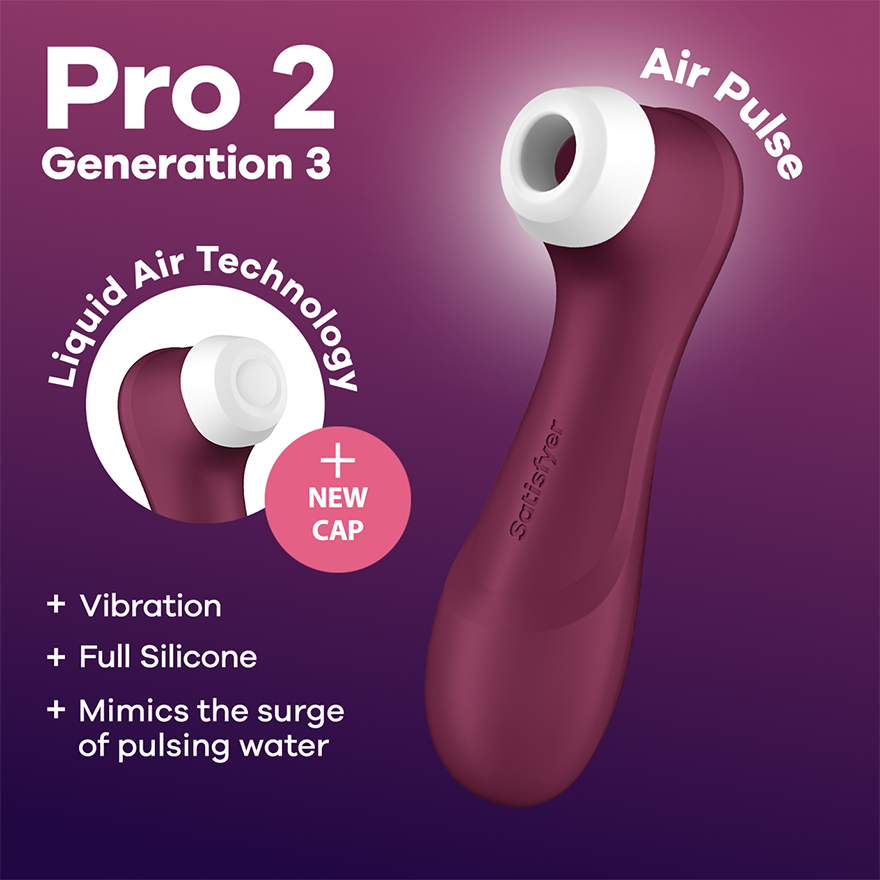
Silicone (motorized/vibrating)
Same material as above but the motor cannot be submerged unless the toy is rated waterproof.
✅ Antibacterial soap + warm water ✅ Toy cleaner spray ✅ Damp cloth with mild soap ❌ Do not boil ❌ Do not dishwasherIf waterproof rated, you can run under water. Check manufacturer specs.
ABS Plastic (hard plastic)
Non-porous, easy to clean. Most budget vibrators use ABS plastic for the handle/body.
✅ Antibacterial soap + warm water ✅ Toy cleaner ✅ Alcohol wipe (70% isopropyl) ❌ Do not boilGlass & Stainless Steel
Both are non-porous and highly cleanable. Premium options, excellent for hygiene.
✅ Boil ✅ Dishwasher ✅ Antibacterial soap ✅ Bleach solutionGlass must be borosilicate glass (like Pyrex) to handle boiling without cracking. Always check the product specs.
TPE / TPR / Rubber / "Jelly"
Porous materials — bacteria and chemicals can penetrate the surface and cannot be fully removed. These materials are considered unsafe by most sex educators.
✅ Warm water + mild soap (surface only) ❌ Cannot be fully sterilized ❌ Not recommended for internal useIf you have a porous toy, use a condom over it. Consider replacing with a silicone alternative.
Recommended Cleaning Products
Pjur Med Clean Spray — convenient, works on all materials, no rinsing needed. Good for quick cleaning between sessions.
Antibacterial hand soap — Cheap and effective. Use unscented to avoid irritation. Rinse thoroughly.
70% isopropyl alcohol — Good for hard surfaces (ABS plastic). Not for silicone — can dry out the material over time.
Storage
Store toys separately — contact between silicone and some other materials causes chemical reactions that degrade both toys. Many toys come with storage bags; use them.
Keep out of direct sunlight and extreme heat. Store in a cool, dry place. Don't leave loose in a drawer where they contact other toys.
When to Replace a Toy
Replace any toy that develops cracks, sticky texture, or unusual smell — these indicate material degradation. Degraded silicone becomes porous and unhygienic. A toy that smells after cleaning should be discarded.
FAQ
Can I use a condom to avoid cleaning?
Condoms reduce but don't eliminate the need to clean. Use condoms on porous toys that can't be sterilized. For non-porous toys, clean normally.
How soon after use should I clean?
Immediately, or as soon as practical. Don't leave a used toy sitting — bacteria multiply quickly at room temperature.
Is toy cleaner spray worth buying?
It's convenient but not necessary. Antibacterial soap and water works just as well for most toys. Spray is useful for travel or quick cleaning without access to a sink.